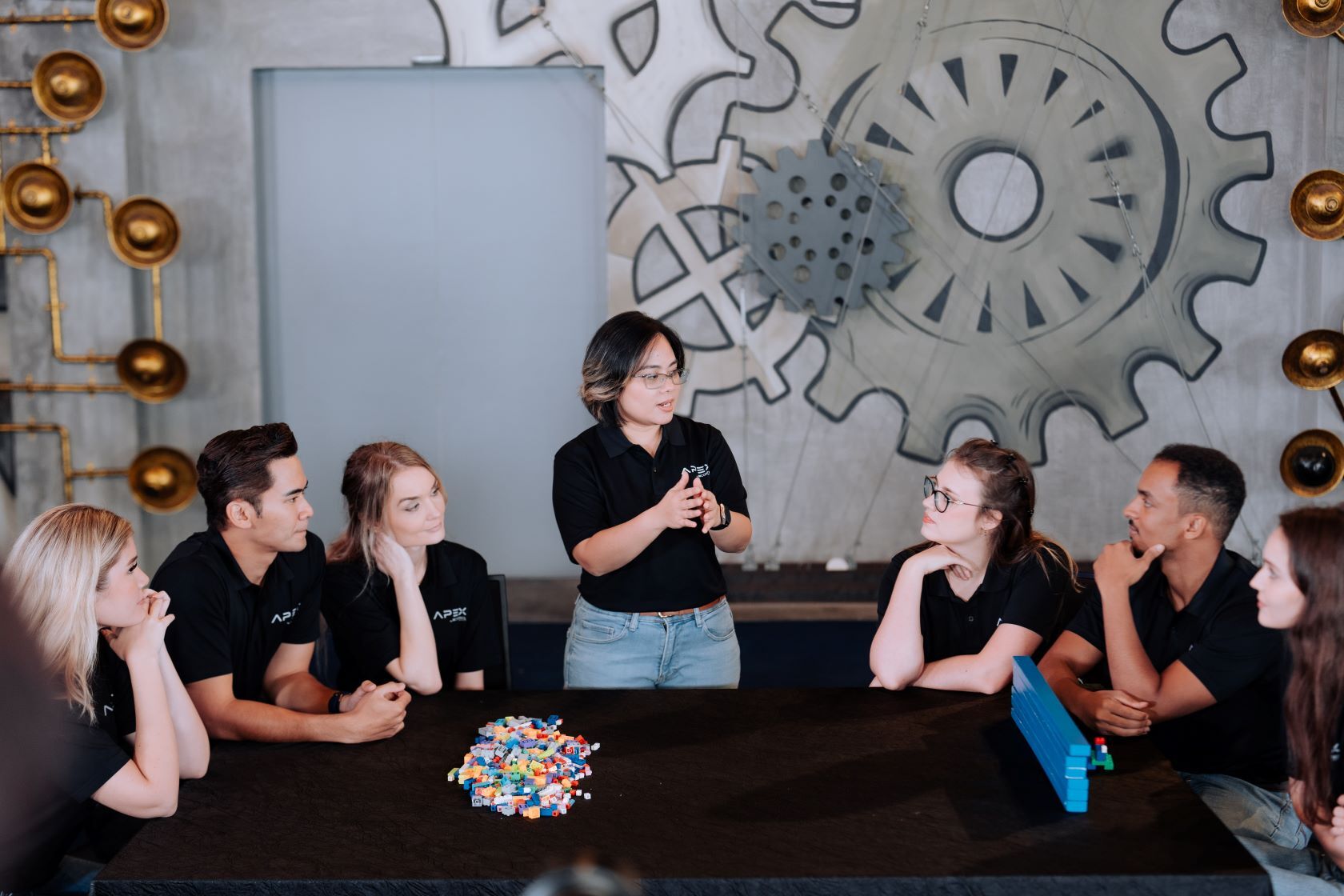
The first days at a new company can set the tone for everything that follows. Many organizations focus on paperwork and compliance during onboarding. However, the real opportunity lies in how new employees connect with their colleagues and the culture around them. A growing number of HR leaders are realizing that onboarding team building is not just a nice-to-have, but a powerful way to strengthen the new employee experience from day one.
Why Team Building Belongs in Onboarding
Starting a new role often comes with excitement, but also with uncertainty. Research on organizational culture has consistently shown that when new hires feel included early, they adapt faster, perform better, and are more likely to stay. Traditional onboarding covers processes and policies, but it rarely helps people feel part of a team. This is where team activities make a difference.
Simple bonding experiences can help colleagues see each other as more than job titles. Whether it’s a collaborative challenge, a creative problem-solving session, or an outdoor activity, shared experiences create trust and rapport. For new hires, that sense of belonging is often what transforms the onboarding process into something memorable and motivating.
The HR Advantage of Experience-Driven Onboarding
HR professionals in Malaysia and beyond are rethinking how they design onboarding programs. Studies in onboarding design suggest that structured social experiences lead to stronger engagement and smoother integration. When people start off with shared wins and authentic conversations, the adjustment period shortens and productivity rises.
For companies, this means reduced turnover and a more resilient workforce. For employees, it means feeling supported, valued, and confident in their decision to join the team. In other words, enhancing onboarding through team building is both a cultural investment and a business strategy.
Creating Impactful First Weeks
In practice, this could mean weaving team activities into orientation week, pairing new hires with mentors during collaborative exercises, or organizing small group challenges that mirror workplace collaboration. The goal is not to overwhelm employees with forced fun, but to build moments that reflect the company’s culture and values.
For example, a company that prizes innovation might design onboarding activities around creative brainstorming, while a business rooted in service might focus on empathy-building experiences. The whole idea is to make new hires feel connected, energized, and ready to contribute.
Starting Strong With the Right Support
Onboarding is no longer just about getting employees up to speed. It is about setting them up to thrive. By incorporating team experiences, companies create a foundation for collaboration, trust, and long-term engagement. The stronger the start, the greater the impact down the line.
If you are looking to enhance your onboarding with purposeful team building, APEX Team Building can help. Our programs are designed to align with your culture, support HR goals, and create meaningful first experiences for new hires. To learn more, reach out via the chat icon or through the contact information on this website.
P.S. Get started here: https://apexteambuilding.com/go
Why Team Building Belongs in Onboarding
Starting a new role often comes with excitement, but also with uncertainty. Research on organizational culture has consistently shown that when new hires feel included early, they adapt faster, perform better, and are more likely to stay. Traditional onboarding covers processes and policies, but it rarely helps people feel part of a team. This is where team activities make a difference.
Simple bonding experiences can help colleagues see each other as more than job titles. Whether it’s a collaborative challenge, a creative problem-solving session, or an outdoor activity, shared experiences create trust and rapport. For new hires, that sense of belonging is often what transforms the onboarding process into something memorable and motivating.
The HR Advantage of Experience-Driven Onboarding
HR professionals in Malaysia and beyond are rethinking how they design onboarding programs. Studies in onboarding design suggest that structured social experiences lead to stronger engagement and smoother integration. When people start off with shared wins and authentic conversations, the adjustment period shortens and productivity rises.
For companies, this means reduced turnover and a more resilient workforce. For employees, it means feeling supported, valued, and confident in their decision to join the team. In other words, enhancing onboarding through team building is both a cultural investment and a business strategy.
Creating Impactful First Weeks
In practice, this could mean weaving team activities into orientation week, pairing new hires with mentors during collaborative exercises, or organizing small group challenges that mirror workplace collaboration. The goal is not to overwhelm employees with forced fun, but to build moments that reflect the company’s culture and values.
For example, a company that prizes innovation might design onboarding activities around creative brainstorming, while a business rooted in service might focus on empathy-building experiences. The whole idea is to make new hires feel connected, energized, and ready to contribute.
Starting Strong With the Right Support
Onboarding is no longer just about getting employees up to speed. It is about setting them up to thrive. By incorporating team experiences, companies create a foundation for collaboration, trust, and long-term engagement. The stronger the start, the greater the impact down the line.
If you are looking to enhance your onboarding with purposeful team building, APEX Team Building can help. Our programs are designed to align with your culture, support HR goals, and create meaningful first experiences for new hires. To learn more, reach out via the chat icon or through the contact information on this website.
P.S. Get started here: https://apexteambuilding.com/go